For Community
Disasters and Emergencies
Information and resources to help our community plan, respond and recover from disasters and emergencies.
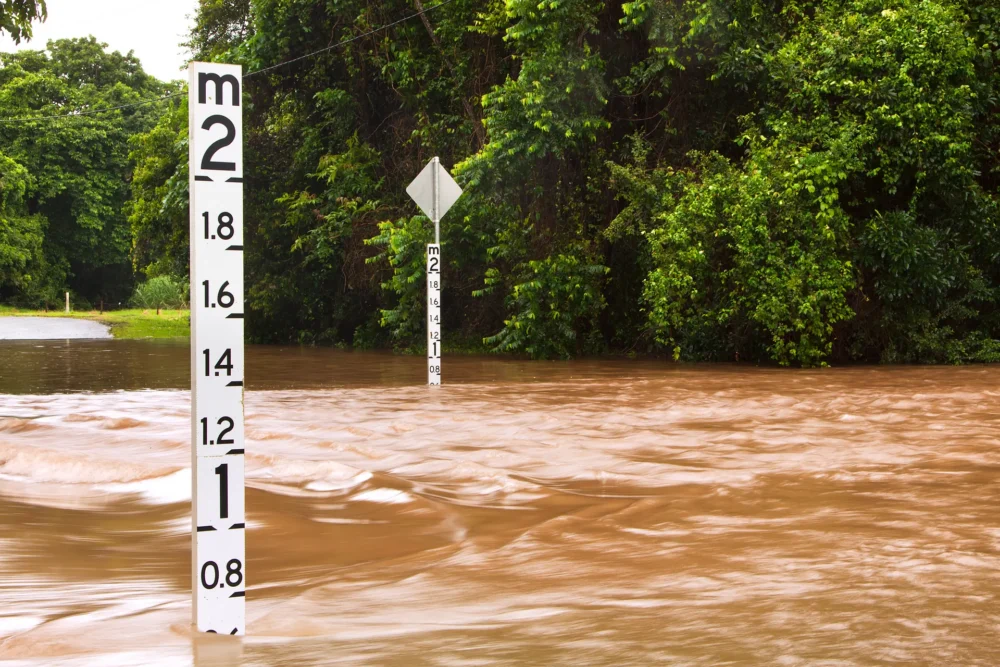
We live in a high-risk, disaster-prone region that can be subject to hazards such as bushfires, storms, flash flooding, river flooding, heatwaves, power and communications outages, road closures and more.
People who that know their risks, plan and stay informed, respond and recover better from disaster and emergency events. This page provides information and resources to help you prepare and plan, and offers useful links to services that support recovery.
Plan
Disaster and emergency events can occur with little warning and can have serious impacts on your safety, health and wellbeing. It is essential that you are prepared and have an Emergency Plan in place.
Know Your Risks
It’s important to understand all the hazards and risks in your area. Often emergencies will be followed by other risks such as power outages or road and bridge closures which can result in assistance delays. Services could be unavailable for an extended time. It’s important to know that you may have:
- No power
- No gas
- No water
- No reception
- Limited food
These organisations provide resources to help you identify your risks in disaster and emergency situations:
- State Emergency Services (SES) – before a flood, know your risk | 132 500
- NSW Rural Fire Service (RFS) – plan and prepare, know your risk | 1800 679 737
- Bureau of Meteorology (BOM) – know your weather
- NSW Health – hot weather and heatwaves
- Endeavour Energy Outages |133 718 for power outage planning
Speak with local experts about your risks through local emergency service contacts:
Consider Your Health Needs
Certain people at more risk from disaster and emergency events, such as those:
- with a disability or chronic health conditions
- who rely on electricity for life-sustaining and assistive technology
- who are older
- who are very young (children)
- who are pregnant
- who live by themselves or have limited social connections
- from Aboriginal and/or Torres Strait Islander backgrounds
- from culturally and linguistically diverse backgrounds
- with limited finances
It’s important for you to:
- Know your disaster risks
- Know your health risks
- Make a health specific plan and be prepared
- Make arrangements to have access to medication
- Know how you will stay informed and will access support in an emergency
See Prepare for Your Health Needs for more information and resources.
Create Your Plan
It is important to create an Emergency Plan for the full range of hazards that might impact you. Once created, review your Plan regularly to ensure it is up-to-date and keep it with your emergency kit in a safe place. It’s also important to share your Plan with your family and carers.
It doesn’t cost anything to create an Emergency Plan and there are a range of free templates available online.
Key Local Resources
- Blue Mountains – Preparing for Emergencies Handbook and Get Ready Information Sheet
- Hawkesbury – Health and Wellbeing Emergency Handbook
- Lithgow – Emergency Handbook
- Penrith – Emergency Ready Handbook
These organisations can also help you make an Emergency Plan at no cost:
- Blackheath Area Neighbourhood Centre HUFF Emergency Preparedness Program | 4787 7770
- Belong Blue Mountains BE READY person-centred emergency planning | 4759 2592
- NSW RFS – provides the Assist Infirm Disabled and Elderly Residents (AIDER) program for free once off assistance | 1300 011 737
- Red Cross | 1800 733 27
Your local NSW Fire and Rescue brigade can provide Home Safety Visits and expert knowledge and advice. You can request a Visit online or can you call:
- Blue Mountains: 4784 8343 or 4784 8345
- Hawkesbury: 4588 4581 or 4588 4582
- Lithgow: 6339 8563
- Penrith: 4784 8386
Key State or National Resources
- NSW RFS – provides a Guide to Developing a Bushfire Emergency Management and Evacuation Plan
- Red Cross – provides the Rediplan template, and the Get Prepared App so you can create a plan on your phone or device
- NSW Government – Get Ready NSW provides templates for floods, bushfires and heatwaves
- Life Support Power Outage Plan – provides resources for planning if you rely on power for life-saving medical equipment
- Collaborating4Inclusion – provides the Person-Centred Emergency Preparedness (P-CEP) Plan for people who are older, have a disability, rely on specific equipment to live or have other specific healthcare needs
- Carers NSW – provides information and resources to help carers and people receiving care develop a tailored disaster plan, including practical templates such as Care Routine Cards.
Multi-language Resources
Below are resources in language for people from culturally and linguistically diverse backgrounds.
Keep your family safe during a natural disaster
Arabic (العربية): حافظ على سلامة أسرتك أثناء الكوارث الطبيعية
Filipino (Tagalog): Panatilihing ligtas ang iyong pamilya sa panahon ng natural na sakuna
Hindi (हिन्दी): प्राकृतिक आपदा के दौरान अपने परिवार को सुरक्षित रखें
Punjabi (ਪੰਜਾਬੀ): ਕੁਦਰਤੀ ਆਫ਼ਤ ਦੇ ਦੌਰਾਨ ਆਪਣੇ ਪਰਿਵਾਰ ਨੂੰ ਸੁਰੱਖਿਅਤ ਰੱਖੋ
Mandarin (中文): 在自然灾害期间保护您的家人安全
Resources in Language:
NSW State Emergency Service (NSWSES)
NSW Rural Fire Service (NSWRFS)
NSW Health Beat the Heat
Red Cross
Local council resources are available in multiple languages:
Penrith:
Emergency Ready Booklet (English)
Hawkesbury:
Health and Wellbeing Emergencies Handbook (English)
For translation services 24 hrs every day of the year call 131 450 or visit Translating and Interpreting Service (TIS National) online for access to translation services.
Stay Informed
It’s important to stay informed of hazards in your area. Your local council’s Emergency Dashboard is a one-stop shop and source of truth that will connect you to emergency management services, road closures, traffic access and more. It’s helpful to bookmark these on your computer.
It is also useful to bookmark these webpages to track the most up-to-date warnings:
For the latest information on your mobile device, install the Hazards Near Me, Emergency Plus, BOM Weather and Live Traffic Apps.
Understanding Warnings:
It’s important to understand what different warnings mean, from staying informed (Advice – yellow), to preparing to act (Watch and Act – orange), to taking immediate action (Emergency Warning – red).
- NSW Government | Know the Warnings webpage – explains bushfire, flood, storm, snow tsunami, coastal erosion and cyclone warnings.
Prepare for Your Health Needs
If you have a chronic illness, disability or other risk factors you may be more susceptible to the impacts of natural disasters or emergencies. Your Emergency Plan should be tailored to your specific health condition, needs and abilities. Your health provider can help you identify any specific risks you may need to plan for, but some suggestions are listed under general considerations. You will also find some condition specific suggestions and resources.
General Considerations
When making your Emergency Plan it’s important to:
- Consider your health, social connections, transport options, personal supports, communication, assistance animals or pets and your living situation.
- Include any special requirements such as mobility aids, life-saving or assistive technology needs.
- Make an Emergency Kit and include your essential medications and equipment, prescriptions or a list of your medications and contact details for medical services, specialists and GPs.
- Identify a support network to help you such as neighbours, friends, community groups or relatives who can check in on you and help you evacuate if you needed. Include several people from different locations and give them a copy of your Emergency Plan.
- Communicate your needs if you have to leave your home and go to an evacuation centre. Let staff at the centre know about any health conditions and medication needs.
Key Tips
- My Health Record is secure platform storing your medical history, allergies and medications online. In emergencies, healthcare providers can access your medical details through My Health Record. It is important you set this up before an emergency or disaster. Your doctor can help you set this up and upload all your essential medical information. You can also download the My Health app.
- Use Electronic Prescriptions – ask your doctor to issue you electronic scripts (eScripts) or ask your pharmacist to set up an Active Script List, this allows your doctor or pharmacist to access these scripts in an emergency.
- Stay informed about potential triggers or risks associated with your individual health needs and regularly review your Emergency Plan and Emergency Kit.
- Bushfire smoke may worsen many health conditions, be prepared and understand your health risks.
- Extreme heat may worsen many health conditions or impact at risk groups, be prepared and understand your heat risk.
- Power outages can cause a severe risk if you, or someone you care for, relies on electricity for life sustaining or assistive technology. It’s important you are ready for a power or water outage.
National Resources
- Red Cross – provides the Rediplan template, and the Get Prepared App so you can create an Emergency Plan on your phone or device.
- Collaborating4Inclusion – provides the Person-Centred Emergency Preparedness (P-CEP) tool that can be used by anyone but has been co-designed and tested with and for people with disabilities.
Aboriginal and Torres Strait Islander Peoples
The Aboriginal Health and Medical Research Council of NSW have resources to help you prepare for bushfires.
Heatwaves in Australia cause more deaths than any other natural hazard. NSW Health has Aboriginal Beat the Heat resources to help you prepare and look after your health.
Dementia
The Dementia Carer Ready Guide is designed to be used in conjunction with the Red Cross ReadiPlan, and has tailored information and checklists for carers and people with dementia to work through to help you prepare.
Carers NSW provide the Care2Prepare Household Readiness Toolkit to help carers, and people receiving care, develop a tailored Emergency Plan including practical templates such as Care Routine Cards.
Key Tips
When creating an Emergency Plan, it’s important to consider:
- If the person can’t drive, document the plan for their aided evacuation from the home.
- Adding some personal information such as likes and dislikes, daily routine, language spoke at home, calming strategies etc.
- Identifying a support network to help such as neighbours, community groups and/or relatives. Include several people from different locations and give a copy of the Emergency Plan to these contacts.
- Adding comfort items and simple activities to their Emergency Kit.
Diabetes
The National Diabetes Services Scheme (NDSS) has various Sick Day Plan templates available. Talk to your doctor or diabetes educator about helping you creating one.
If you are insulin-dependent, it’s a good idea to create a diabetic specific Emergency Plan and Kit. NDSS has preparing for disasters information and a diabetes specific Emergency Plan including how to prepare an Emergency Kit.
Key Tips
When creating your Emergency Plan and Kit, it’s important to consider:
- Stress, changes in physical activity, bushfire smoke and the food you eat, can all effect your blood glucose levels. During an emergency, your body processes glucose differently. You should check your blood glucose levels regularly during and after an emergency and adjust insulin accordingly.
- During the initial disaster response, an increase in cortisol can result in increased blood glucose levels. This effect can continue up to months after a disaster due to decreased physical activity, increased food intake, a change in routine, anxiety, decreased access to glucose monitoring equipment and changes in priorities.
- Extreme heat may cause damage to blood vessels and nerves as complications of diabetes may impair the body’s mechanisms to regulate temperature. People with diabetes can also get dehydrated more quickly.
- Foot care is extremely important during a disaster. To minimise wounds and infection, you should wear socks and closed-toe comfortable shoes.
- Do not freeze the insulin or store insulin directly adjacent to ice. If using an ice brick in the insulated bag, wrap the ice brick in a cloth before adding the insulin to the bag.
Heart Disease
Heart Foundation Australia provides information on how air pollution, heatwaves and bushfires can impact your heart health.
Key Tips
When creating your Emergency Plan and Kit, it’s important to consider:
- Extreme heat can put strain on the heart and may bring about dizziness, collapse, heart attack or stroke.
- Elevated blood pressure during a disaster may increase risk of complications if you have pre-existing hypertension and history of heart attack or stroke. It’s a good idea to store a portable blood pressure machine with your Emergency Kit, check your blood pressure regularly and seek medical advice if blood pressure is higher than your normal readings.
- Bushfire smoke can worsen heart conditions such as angina. Avoid exposure by evacuating early, staying indoors, using the air‑conditioner on the internal air recycling setting and wearing a mask if outdoors.
Kidney Disease
You can call Kidney Health Australia on 1800 454 363 for support on how you can prepare.
If you use home dialysis, power outages can also stop your tap water and if you use water for medical care it can be serious. Its important you are ready for a power or water outage.
Key Tips
When creating your Emergency Plan, it’s important to consider:
- Kidney disease may impact the body’s response to extreme heat, with changes in blood pressure and risks of dehydration.
- Keep a list of back-up dialysis units and hospitals near your area in case you can’t access your normal unit.
Lung Disease
Lung Foundation Australia provide a COPD Action Plan to be completed in conjunction with your specialist, GP or nurse.
Key Tips
When creating your Emergency Plan, it’s important to consider:
- Bushfire smoke can worsen lung conditions such as asthma and COPD. Avoid exposure by evacuating early, staying indoors, using the air‑conditioner on the internal air recycling setting and wearing a mask if outdoors.
- Continued access to inhaler medications is important. Keep a second supply of inhalers in a safe place off‑site such as in your handbag, car, or at a family member’s house, in case you are not able to return home to access your usual supply.
- Monitor air quality – readings are updated hourly and a daily air quality forecast is made at 4 pm each day.
Mental Illness
People with pre-existing mental health conditions, may be at increased risk during disasters and emergencies, including heatwaves and power outages, due to social isolation and the complexity of your health conditions.
Being emotionally prepared can boost your confidence, reduce your stress and help you feel more in control. This can lower your risk of long-term mental health issues caused by the trauma of a disaster or emergency.
The Australian Psychological Society outlines 4 steps to being psychologically prepared, using the acronym AIME – Anticipate Identify Manage and Engage. Find out more about how AIME can help you.
The Australian Red Cross also provides a Psychological Preparedness for Disasters Guide to help you prepare.
Key Tips
When creating your Emergency Plan, it’s important to consider:
- If you are worried about how you might feel or cope during a disaster or emergency, talk to your health provider and ask them to help you make a plan for how you will keep safe with strategies and emergency supports.
- Some medications may impair your body’s ability to regulate temperature so it’s important to stay cool in extremely hot weather and understand your heat risk.
Neurological Diseases
For people with neurological health conditions symptoms such as heat sensitivity, vision impairment, difficulty with walking or processing information, may make responding to a crisis more challenging.
Extreme heat may worsen some neurological conditions like multiple sclerosis or spinal cord injury because they can impact your body’s ability to regulate body temperature.
Key Resources
- MS Australia has a Crisis Toolkit to support people living with a disability or chronic health condition such as Multiple Sclerosis prepare for disasters and emergencies.
Older People
The Person-Centred Emergency Preparedness (P-CEP) tool supports people to be prepared.
Key Tips
When creating your Emergency Plan, it’s important to:
- Identify your strengths and support needs in everyday life.
- Know your level of emergency preparedness and learn about disaster risk.
- Plan for how you will manage your support needs in an emergency.
- Communicate the plan with the people in your support network and address gaps together.
People with Disabilities
Collaborating4Inclusion provides the Person-Centred Emergency Preparedness (P-CEP) tool that can has been co-designed and tested with and for people with disabilities
The NDIS provides a range of information and resources for NDIS participants which are accessible in different languages and have different accessibility options
Carers NSW have information and resources to help carers, and people receiving care, develop a tailored disaster plan including practical templates such as Care Routine Cards.
Key Tips
When making your Emergency Plan think about your social connections, transport options, any life-saving or assistive technology needs, personal supports, communication, assistance animals or pets and your living situation.
- Identify your strengths and your support needs in everyday life.
- Know your level of emergency preparedness and learn about your disaster risks.
- Plan for how you will manage your support needs in an emergency.
- Communicate your Plan with the people in your support network and address any gaps together.
People Living Alone
Maintaining or making new connections with family, friends and neighbours will help keep you safe and will be a vital part of your emergency planning.
Key Tips
- The NSW Government has hints and tips on how to get to know your neighbours and how you can help each other be prepared for disasters and emergencies.
- You can find other ways to increase your connections through our My Health Connector website.
- We have a variety of services that can help you improve your social connections.
Pregnant Women and Children
If you are pregnant, you may be more sensitive to the effects of disasters and emergencies including extreme heat and smoke.
Babies and children are also more vulnerable to these events, particularly heat-related illness because they are less able to control their own body temperature and make choices to stop themselves from overheating.
Key Resources
- NSW Health has some helpful hints and tips on how to prepare yourself and your children for heatwaves.
- The Australian Breastfeeding Association has some useful emergency planning resources.
- Emerging Minds has resources for parents and caregivers on how to minimise your children’s stress and anxiety in a disaster or emergency and how to cope well yourself.
Respond
During a disaster or emergency incident, you should act and respond by implementing your Emergency Plan and ensure you have your Emergency Kit with all essential medicines and equipment readily available.
Monitor the Situation
During planning, you should have book-marked the SES, RFS or BOM warning webpages or installed the Hazards Near Me, Emergency Plus, BOM Weather and Live Traffic Apps, to keep you informed.
You can also listen to the official emergency radio broadcaster ABC Radio Sydney 702 AM
Check your local council’s Emergency Dashboards:
Understanding Warnings:
It’s important to understand what different warnings mean, from staying informed (Advice – yellow), to preparing to act (Watch and Act – orange), to taking immediate action (Emergency Warning – red).
Other useful links:
RFS Local Government Area Facebook Pages
- RFS Blue Mountains District
- RFS Hawkesbury District
- RFS Chifley/Lithgow
- RFS Cumberland Zone (Penrith)
NSW SES Facebook Page
Remember in an emergency call 000
Telehealth Exemptions
In areas where a natural disaster is declared, patients are exempt from the Medicare existing relationship “12-month rule” requirement for telehealth appointments.
This means, if the local government area where you live is declared (by a state or territory government) a natural disaster area, you don’t need to have had a face-to-face consult with the same GP in the last 12 months to access a bulk billed or Medicare subsidised telehealth appointment.
Accessing Medication
During a natural disaster or emergency, you may need to leave your home. It is important that you have enough medication, or access to your prescriptions and any medical records you may need.
Write down or keep your doctor’s contact details in your phone in case you need a new prescription. Put together an Emergency Kit and put medications, prescriptions and healthcare cards in your Kit.
If you leave home without your prescriptions or medicines or they are lost, you can:
- Contact your doctor – they can send a prescription to a nearby pharmacy, or if your regular doctor is not available, visit healthdirect or call 1800 022 222 for health advice.
- Speak to a pharmacist – in a declared emergency they can provide a 3-day emergency supply of many medicines without a prescription or call your doctor for a verbal prescription.
- Use telehealth – if you can’t visit your doctor in person, you may be able to use telehealth. In areas where a natural disaster is declared, patients can access bulk billed or Medicare subsidised telehealth appointments with other doctors if your own in not available. You can find telehealth providers on healthdirect.
Evacuation Centres
If Evacuation Centres are opened in response to an event they will be identified on your local council’s Disaster Dashboard.
The NSW Disaster Assistance Welfare Line – 1800 018 444 also lists open evacuation centres and Disaster Welfare Assistance Points.
Recover
After an incident, it can take time to recover both physically and emotionally. Common reactions can include feeling overwhelmed, tearfulness, having sleep problems and difficulty focusing. In most cases these reactions will fade over time and there are things you can do to take care of yourself and your emotional wellbeing.
Insurance Claims and Financial Assistance
Information to support you in making an insurance claim is available through the Insurance Council of Australia.
Government financial assistance may be available for people affected by disasters. For more information visit the National Emergency Management Agency, Disaster Assist Website or Service NSW websites.
Many financial institutions may offer assistance to customers affected by disasters. It’s a good idea to contact your financial institution directly to find out what help they offer.
Food and Housing Support
For local food hamper assistance or housing information the Ask Izzy website can connect people who are in crisis with the services they need right now and nearby.
Link2home 1800 152 152 is the NSW statewide homelessness information and referral service available 24 hours a day, 7 days a week, every day of the year.
Recovery Centres
During recovery from disasters the NSW Reconstruction Authority may establish local Recovery Centres or Recovery Assistance Points. Visit Service NSW to find locations or call 13 77 88.
Recovery Centres usually have Service NSW Business Specialist support in addition to a range of other services for individuals including:
- NSW Reconstruction Authority assistance
- Immediate practical assistance including support with food, clothing and accommodation
- Help with replacing ID and personal documents
- Legal assistance
- Insurance support and guidance
- Mental health support
- Clean up and waste assistance
- Charitable support
- Interpreter services
Mental Health Services
Emotional recovery after a disaster or emergency takes time and talking to someone you trust can help. Your doctor can be a good place to start, as they can offer advice about different support options and services available.
We provide a number of free mental health services that the community can access. These services are listed on our Community – Funded Services page and can be filtered by local area.
- Our PHN Mental Health Help website – provides a directory of local mental health services offered by us and other providers across the region
- Our PHN My Health Connector website – provides a directory of local health and lifestyle services offered across the region to help people reconnect with their community
- Rural Adversity Mental Health Program (RAMHP) – provides coordinators that link people to local mental health services and resources and educate workplaces and communities about mental health and wellbeing
- NSW Health Mental Health Disaster Recovery – provides specialist mental health clinicians based within the Lithgow and Windsor mental health teams and provide outreach services across the region as required
Digital Mental Health Support
- Medicare Mental Health – provides apps, online programs, forums, phone supports and treatment options as well as a range of digital resources
- eheadspace – provides free online and telephone support and counselling to young people 12 – 25 and their families and friends, including information for young people about how to cope with the stress of natural disasters.
- SANE Australia – provides Life After Bushfires tips on trauma recovery, self-care and connection
Other resources
The Australian Red Cross – provides a number of resources to help you through recovery.
Crisis Helplines
In an emergency call 000
- Lifeline – 13 43 57
- 24 hour NSW Mental Health Line – 1800 011 511
- Beyond Blue – 1300 22 4636
- MensLine – 1300 789 978
- Kids Helpline-1800 55 1800
- GriefLine -1300 845 745
- Suicide Call-Back Service – 1300 659 467
- Open Arms – Veterans & Families Counselling – 1800 011 046